Tips To Identify High Quality Stainless Steel Pipe Fittings
- by Admin
- 5 months ago
- 0 comments
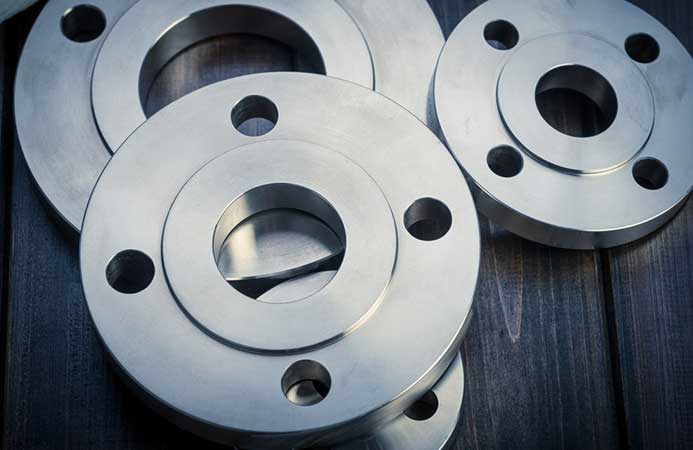
When you pick up a stainless steel pipe fitting, the difference between a part that lasts decades and one that fails in months comes down to small details. Industrial setups, home workshops, and commercial projects all rely on these pieces to keep fluids and gases moving safely.
A cheap fitting can crack, corrode, or leak without warning. Here, we will share simple checks from experienced stainless steel pipe fittings suppliers in UAE to help you spot the best ones every time.
Check the material grade:
Look for clear marks on the metal that show the grade. High grade steel resists rust better than cheap options. Check for codes like 304 or 316 stamped directly on the surface. These numbers tell you how well the metal handles water and chemicals. If the marks are missing, the quality might be low.
Examine the surface finish:
Smooth surfaces show that the maker took time to do things right. Rough spots or tiny holes can lead to rust later on. A shiny, even look usually means the metal is solid and clean. Run your fingers over the edges to check for burrs.
Test the thread precision:
Threads must be sharp and even to create a tight seal. Try to screw the fitting onto a pipe by hand to see if it fits well. It should move easily without wobbling or getting stuck. If the threads look flat or damaged, the fitting will likely leak.
Verify the wall thickness:
Heavy fittings usually last longer because they have more metal. Compare the weight of different pieces to see which one feels solid. Thin walls might crack under pressure or heat. A thick wall shows the part can handle heavy use.
Look for certification marks:
Reliable parts often have small symbols from testing groups. These marks mean the metal passed safety tests for heat and pressure. Seeing these stamps gives you peace of mind that the part meets industry rules. Always ask to see the paperwork if the marks are hard to read on the metal.
Inspect the weld seams:
If the fitting has a seam, it should look flat and blended. Big bumps or dark marks along the seam can be weak points. A good weld stays strong even when the pipes get hot or cold. Smooth welds also help water flow through the pipes without hitting any bumps. High quality work stays visible on every inch.